Emergency Dentist Care for Mouth Injuries After Sports Practice
Sports practice is where many dental injuries happen, not the championship game. The pace is looser, supervision can vary, and players often skip protective gear for “just a drill” or a casual scrimmage at the end. A stray elbow during basketball rebounding, a stick to the face at hockey practice, a collision on the soccer field, a baseball that takes a bad hop, all of them can turn an ordinary afternoon into a genuine dental emergency within seconds.
When that happens, families often focus first on bleeding, swelling, and the obvious shock of the injury. The teeth and gums may seem secondary compared with a split lip or a painful jaw. In practice, the mouth needs attention quickly. Timing affects whether a tooth can be saved, whether a crack spreads deeper, and whether infection or long-term bite problems develop later. This is where an Emergency Dentist becomes important, not as a last resort after the swelling gets worse, but as part of immediate injury care.
Dental trauma after sports practice ranges from minor enamel chips to injuries that involve the roots, nerves, jawbone, and soft tissues. The right response depends on what was hit, how hard it was hit, and what symptoms appear in the first minutes and hours. There is no single script that covers every child, teenager, or adult athlete, but there are reliable principles that make a meaningful difference.
What sports-related mouth injuries usually look like
Some injuries are dramatic. A front tooth lands on the gym floor. Blood mixes with saliva and the player cannot speak clearly. Other injuries are deceptively quiet. A child says the tooth “just feels weird” after getting clipped under the chin. By evening, the tooth is sensitive to pressure, slightly loose, or turning darker.
In dental settings, sports injuries commonly fall into a few patterns. Teeth can chip, crack, loosen, shift out of position, or be knocked out entirely. Lips, cheeks, and gums can tear against the sharp edges of teeth. The jaw can bruise or fracture. Dental restorations such as fillings, bonding, or crowns can break under impact, even if the natural tooth underneath survives. Orthodontic brackets and wires can also cut soft tissue or place abnormal force on teeth after a blow.
The front upper teeth are injured most often because they take the direct impact in falls and face-first collisions. That said, lower front teeth are vulnerable in contact sports, especially when the jaw snaps shut during impact. I have seen players walk in holding part of a front tooth in a tissue and others show up with no visible break at all, only to reveal a root fracture on X-ray. The appearance can mislead you. Pain can mislead you too. Some badly injured teeth do not hurt much at first because the nerve has been damaged.
The first hour matters more than most people realize
When a mouth injury happens after practice, people tend to make one of two mistakes. They either assume it is minor and wait until the next day, or they panic and spend precious time doing the wrong things. Both can reduce treatment options.
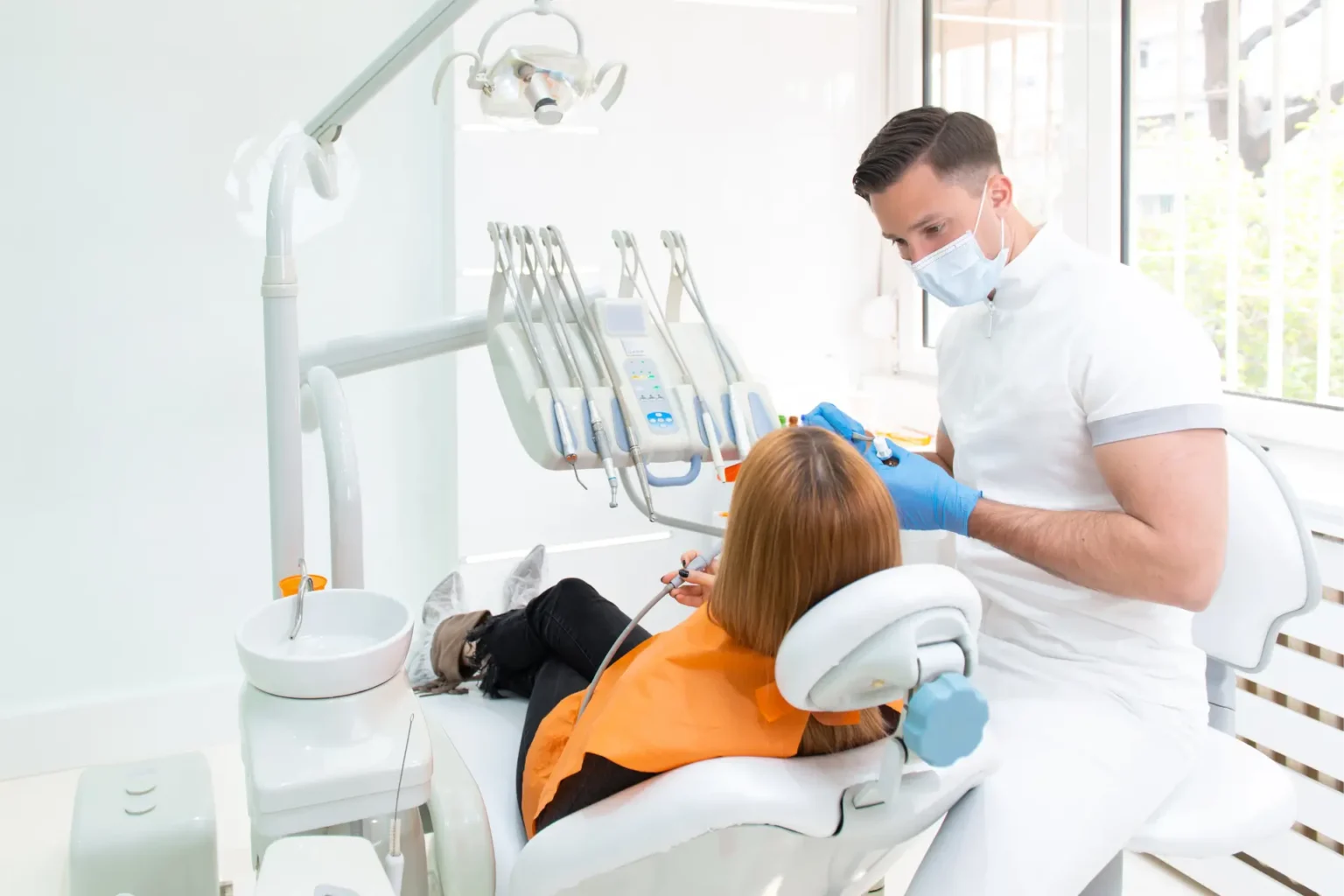
The first hour is especially important if a permanent tooth has been knocked out. It also matters when a tooth has moved out of position, when bleeding does not stop, or when a crack reaches deep into the tooth. A prompt visit to an Emergency Dentist allows for examination, X-rays when needed, stabilization of loose teeth, repair of sharp fractures, and a plan to protect the pulp, which is the living tissue inside the tooth.
Primary teeth, often called baby teeth, are a separate issue. If a baby tooth is knocked out, it usually should not be replanted because doing so can damage the developing permanent tooth beneath it. That distinction matters. Parents under stress sometimes assume every tooth should go straight back into the socket. Whether the tooth is primary or permanent changes the decision.
What to do right away at the field, court, or locker room
The response should be calm and practical. Control bleeding first, check for signs that the athlete might also have a concussion or facial fracture, and then focus on the mouth. If there has been any loss of consciousness, vomiting, confusion, severe headache, double vision, or obvious jaw deformity, medical evaluation takes priority.
For the dental side, these steps are the most useful:
- Rinse the mouth gently with clean water to clear blood and debris. Do not scrub injured tissue.
- Apply clean gauze or a soft cloth with light pressure to bleeding areas. A cold compress on the outside of the face helps limit swelling.
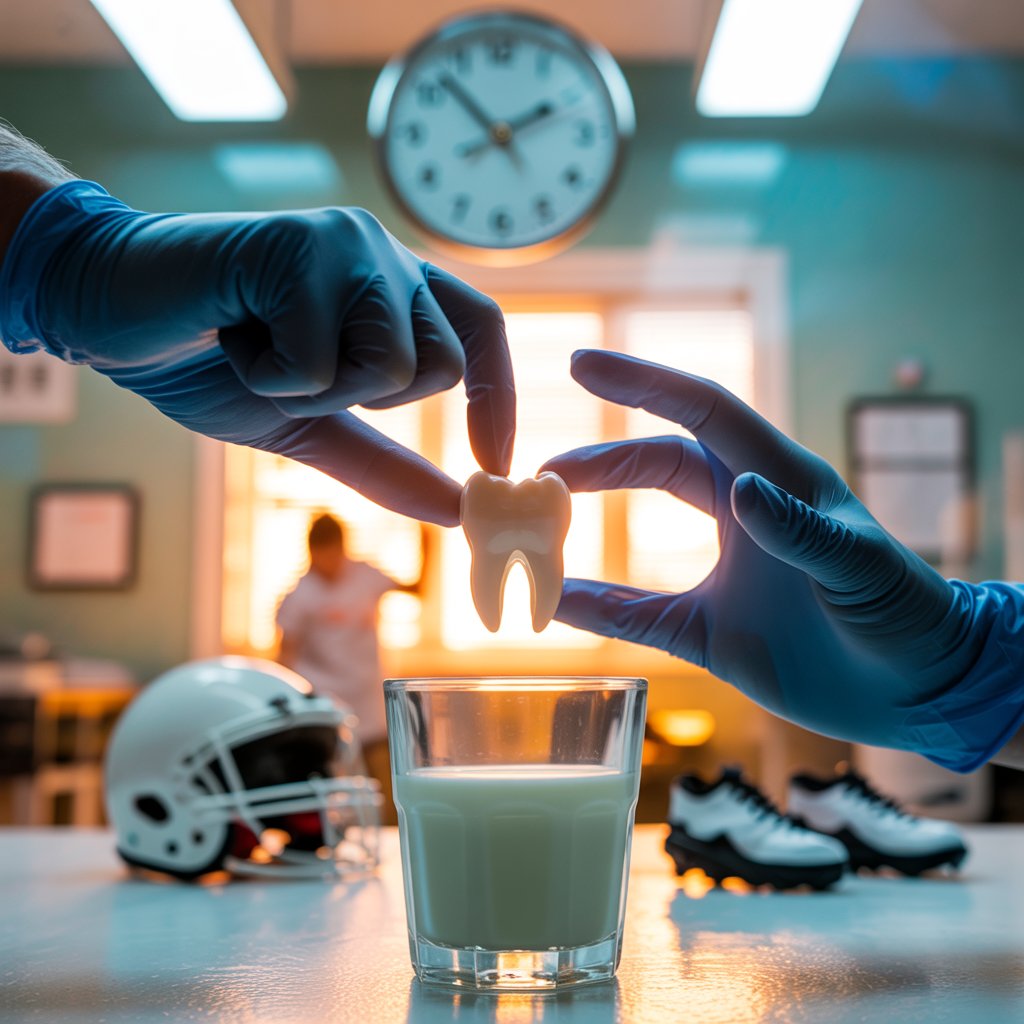
- If a permanent tooth has been knocked out, pick it up by the crown, not the root. If dirty, rinse it briefly with milk or saline, or clean water for only a few seconds, then try to place it back in the socket if the person is alert and cooperative.
- If replanting is not possible, keep the tooth moist in cold milk, saline, or inside the injured person’s cheek if they are old enough not to swallow it. Do not store it dry in a tissue or napkin.
- Contact an Emergency Dentist immediately and explain exactly what happened, when it happened, and whether the tooth is permanent or primary if you know.
Those steps sound simple, but they are often mishandled in the moment. The most common error I hear about is wrapping the tooth in dry paper towel. The second is waiting “to see if it settles down.” A knocked-out permanent tooth has the best chance when it is replanted quickly or kept moist and treated without delay.
When a chipped tooth is not “just cosmetic”
Emergency DentistA small enamel chip can be rough and annoying without threatening the tooth’s health. A larger fracture can expose dentin, which is the sensitive layer under enamel, or even expose the pulp. The difference matters because exposed dentin increases sensitivity and infection risk, while exposed pulp raises the chance of nerve damage and later root canal treatment.
Athletes and parents often judge the seriousness by how much of the tooth is missing. That is only part of the story. I have seen a thin vertical crack with almost no lost tooth structure create more trouble than a bigger-looking corner chip. A sharp edge can also cut the lip repeatedly, turning a dental injury into a soft tissue problem as well.
If you can find the broken fragment, bring it to the appointment. Sometimes it can be bonded back, especially when the piece is kept clean and moist. Even when it cannot be reused, it helps the dentist understand the fracture pattern. The emergency visit may involve smoothing a sharp edge, placing a protective covering, bonding the tooth, or taking images to see whether the crack extends below the gumline.
Loose or displaced teeth need prompt stabilization
A tooth that feels wobbly after impact is not something to monitor casually over the weekend. A tooth can be loosened within the socket, pushed deeper into the gum, partially pulled out, or displaced sideways. Each of those injuries has different implications for the ligament and bone that support the tooth.
The supporting ligament around a tooth is delicate. Once it has been torn or compressed by trauma, timely repositioning can improve healing. Delay makes it harder to return the tooth to proper alignment and can affect the bite. If the athlete closes down and says, “My teeth don’t fit right anymore,” take that seriously. Bite changes often signal displacement, jaw injury, or swelling that needs evaluation.
An Emergency Dentist can assess mobility, test how the teeth meet, and place a flexible splint when needed. Splinting is not just about holding the tooth in place. It helps the surrounding tissues heal while allowing some natural movement, which is usually better than rigid immobilization for many dental injuries.
Soft tissue injuries can hide foreign material
A lip laceration from a sports collision may look straightforward, but mouth injuries often carry grit, turf particles, tooth fragments, or debris into the wound. A child who falls face-first on a court can drive tiny enamel shards into the lower lip. If those fragments are missed, the lip can remain swollen, tender, or develop a firm lump later.
That is one reason the dental exam matters even when the visible damage seems to be “just the lip.” Dentists evaluating trauma often inspect soft tissue closely and may recommend imaging if a fragment is missing from a tooth and cannot be accounted for. Cleaning and closure decisions also depend on where the laceration is, how deep it goes, and whether it crosses the lip border.
Inside the cheeks and tongue, cuts usually bleed more than people expect because the tissue is so well supplied with blood. Many minor injuries stop with pressure and time. Deep cuts, gaping wounds, or anything that interferes with tongue movement or speech should not wait.
The situations that deserve same-day emergency dental care
Not every sports injury requires treatment within the hour, but many do require same-day assessment. When families call a dental office after practice, I generally want to know three things immediately: is a tooth missing, is the bite altered, and is bleeding controlled.
You should seek urgent help from an Emergency Dentist after sports practice if you notice any of the following:
- A permanent tooth has been knocked out, loosened, pushed out of position, or appears longer or shorter than before.
- There is a significant crack, a large broken piece, severe pain with air or water, or visible pink or red tissue inside the tooth.
- Bleeding from the gums, lips, or tongue continues despite pressure, or swelling is rising quickly.
- The athlete cannot bite normally, cannot open or close comfortably, or says the jaw feels stuck or shifted.
- There are signs of infection or delayed complications later, such as increasing pain, gum swelling, bad taste, fever, or a tooth turning gray or dark.
Same-day does not always mean midnight. It means prompt clinical judgment. A mild chip that causes no sensitivity may be safe to repair the next day. A displaced incisor in a teenage soccer player should not wait until the schedule clears up.
Why some injuries worsen overnight
The mouth can look fairly calm right after impact, especially when the athlete is still keyed up on adrenaline. Several hours later, the real picture appears. Swelling peaks, bruising spreads, the tooth begins to ache, and it becomes clear that chewing on that side is impossible.
This delayed progression happens because trauma affects both hard and soft tissues. Nerves become inflamed. The periodontal ligament around the tooth swells within the confined space of the socket. Microscopic cracks may flex under biting pressure and become symptomatic later. A child may go to bed saying, “It’s fine now,” and wake up unable to touch the tooth with the tongue.
Color changes also take time. A tooth that darkens over days or weeks may have a compromised blood supply. That does not always mean the tooth is lost, but it does mean follow-up is essential. Sports injuries are not one-and-done events. Even well-managed trauma can need repeat evaluations over months because the pulp and root respond slowly.
How emergency dental treatment is decided
Treatment depends on age, tooth type, root development, and the exact nature of the injury. A newly erupted permanent tooth in a 9-year-old is managed differently from a fully developed adult tooth. The goal in a young tooth is often to preserve pulp vitality because the root may still be maturing. In an adult, treatment may focus more on stabilization and preventing infection after severe trauma.
At the emergency visit, the dentist usually takes a history of the incident, examines the teeth and soft tissues, checks mobility and bite, and takes images if indicated. Not every injury shows up on a single X-ray. Sometimes additional angles are needed to detect a root fracture or displacement. Sensibility testing may be done, but early results can be unreliable, particularly right after trauma.
You may leave with a repaired tooth the same day, or with temporary treatment and a close follow-up plan. Both are normal. For example, a cracked tooth may need immediate protection but delayed definitive treatment once symptoms settle and the prognosis becomes clearer.
Pain control at home without making things worse
Most athletes with dental trauma can use simple supportive care while waiting to be seen or in the first days after treatment. Cold compresses help. Soft foods help. Avoiding sports, rough chewing, and hot or very cold drinks often helps. Over-the-counter pain relievers may be appropriate, but the right choice depends on age, medical history, allergies, and whether there is concern for head injury or heavy bleeding.
One thing I strongly discourage is self-testing. People tap the tooth repeatedly, wiggle it, or bite down “to see if it’s better.” That can worsen pain and disrupt early healing. I also caution against using topical aspirin or home remedies on the gums. They do not solve the problem and may irritate the tissue.
If a dentist has splinted a tooth, diet and oral hygiene instructions matter. Good cleaning around the injured area reduces infection risk. Poor cleaning can turn a trauma case into a gum inflammation case very quickly.
Mouthguards reduce injuries, but only when they are actually used
This is the uncomfortable truth about sports dentistry: many injuries are preventable, but prevention often loses to convenience. A custom mouthguard left in the equipment bag protects no one. A boil-and-bite guard that is too loose gets chewed up, slips out during drills, and stops being worn.
For contact and limited-contact sports, properly fitted mouthguards reduce the risk and severity of dental injury. They cushion blows, distribute force, and lower the chance of sharp tooth-to-lip trauma. They are not perfect. A severe impact can still crack a tooth or injure the jaw. But the pattern is often less destructive when a good mouthguard is in place.
Athletes in braces Emergency Dentist especially benefit from a well-fitting guard because brackets and wires can turn the inside of the mouth into a cutting surface during impact. Coaches sometimes focus on shin guards, helmets, and ankle taping while mouthguards get treated as optional. After enough post-practice injury calls, that starts to look like a poor trade.
What parents, coaches, and athletes should bring to the emergency visit
A smoother visit often means faster treatment. If the injury happens after school or in the evening, details get lost quickly. A few practical items make the appointment more efficient:
- The tooth or broken fragment, stored moist if possible
- A simple timeline of the injury, including the exact time and mechanism
- Any mouthguard, retainer, or orthodontic appliance involved in the injury
- A list of medications, allergies, and relevant medical conditions
- Dental insurance information and the athlete’s regular dentist or orthodontist contact details
Even a brief note on your phone is helpful. “Elbow to mouth at 5:40 p.m., upper front tooth chipped, no loss of consciousness, rinsed with water, tooth piece in milk” tells a clinician far more than “He got hit at practice.”
The edge cases that deserve extra caution
Some cases sit in the gray zone. The athlete says the tooth feels numb but there is no visible crack. The gums around one front tooth bleed slightly, then stop. The bite feels off only in one position. These are the injuries that families most often underestimate.
Another gray zone involves older dental work. A crown that feels loose after impact may mean the cement failed, or it may mean the underlying tooth fractured. A bonded front tooth may look intact but have a crack just beyond the restoration margin. Veneers can chip in ways that leave sharp ceramic edges. In each case, the visible problem is only half the evaluation.
Athletes with previous trauma also require a little more skepticism. A tooth injured years ago may have reduced resilience. A second hit can trigger complications that the first did not. If the tooth already had root canal treatment, discoloration, or a history of splinting, say so at the emergency visit.
Follow-up is where long-term outcomes are protected
The dramatic part of a sports injury is the moment of impact. The important part often happens later. Teeth that survive the first day may still develop pulp death, root resorption, or persistent mobility months after the event. That is why follow-up appointments matter, even when the athlete feels normal again and wants to move on.
This is especially true for children and adolescents. Their teeth and jaws are still developing, and the biological response to trauma can evolve over time. A tooth that tests normally at the first visit may behave differently later. A root in a young permanent tooth may continue developing if the pulp stays healthy, or stall if it does not.
A careful Emergency Dentist will usually set expectations clearly. Some injuries heal uneventfully. Others need a watchful, staged approach. Families appreciate honesty here. The right message is not alarmist, but it is realistic: today’s repair may not be the last step.
A better response starts before the next practice
Every team should have a basic plan for dental injuries, just as they have a plan for sprains, dehydration, and concussions. Someone should know where the emergency contact information is. Someone should know the nearest dental office that handles urgent trauma. If the sport carries regular collision risk, the team should have access to a small first-aid setup that includes gauze and a clean container.
That level of preparation is not excessive. It is practical. When a player loses a tooth after practice, nobody wants to stand in a parking lot arguing about whether to put it on ice, rinse it in sports drink, or wait for a parent to finish work. A little preparation prevents a lot of avoidable damage.
Sports are worth playing. Mouth injuries are part of the risk, but permanent consequences do not have to be. Fast, informed action, followed by prompt care from an Emergency Dentist, often makes the difference between a simple repair and years of avoidable dental work. When the mouth takes the hit after practice, treat it with the same seriousness you would give any other acute sports injury. The teeth, gums, and jaw do not care whether the whistle has already blown.
Vitality Dental
1220 Coit Rd # 106, Plano, TX 75075, United States
+1 972-645-4100
FAQ About Emergency Dentist
What counts as a dental emergency?
A knocked-out tooth, significant mouth injury, severe tooth pain, or painful swelling warrants prompt evaluation. Call your dentist and describe your symptoms so the office can advise you on how urgently you need care.
What should I do if I knock out a permanent tooth?
Call a dentist immediately. Handle the tooth by the crown, avoid touching the root, and keep it moist. If you cannot put it back into the socket easily, transport it in milk or a tooth-preservation solution. Bring it with you to the appointment.
Should I go to the emergency room for a dental emergency?
Seek emergency medical care right away if you have trouble breathing or swallowing, uncontrolled bleeding, or a serious facial injury. For an isolated tooth injury or toothache without those symptoms, call a dentist promptly for guidance.