How an Emergency Dentist in Plano, TX Treats Tooth Nerve Pain
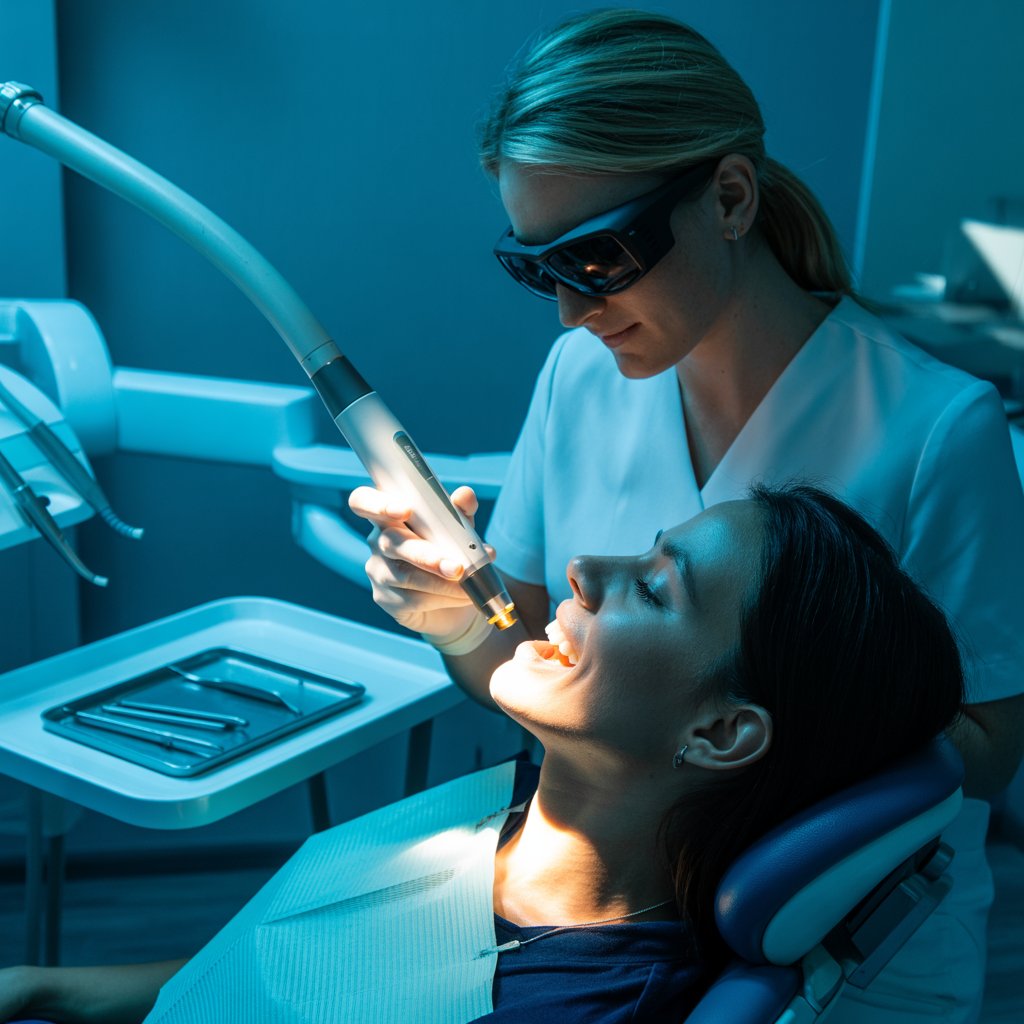


Tooth nerve pain has a way of taking over everything. People who can push through a sore knee, a headache, or even a fever often find themselves stopped cold by a deep, throbbing toothache. It can wake you at 2 a.m., make cold water feel like an electric shock, and turn a normal workday into a countdown until you can get help. When that pain points to the nerve inside the tooth, the problem usually goes beyond a simple cavity.
An experienced emergency dentist in Plano, TX sees this pattern often. A patient calls saying the pain started as a dull ache a few days ago, then escalated into sharp, pulsing discomfort that radiates toward the ear or jaw. Others walk in holding one side of the face, unable to tell which tooth is responsible. Nerve pain can be dramatic, but the treatment is not guesswork. The dentist’s job is to identify the source quickly, reduce pain safely, and protect the tooth whenever possible.
Why tooth nerve pain feels so intense
Inside each tooth is a soft tissue chamber called the pulp. This space contains blood vessels, connective tissue, and the nerve. The outer layers of the tooth, enamel and dentin, normally shield the pulp from temperature changes, bacteria, and pressure. Once that barrier breaks down, the nerve becomes irritated or infected.
That breakdown happens for a handful of Emergency dentist Plano, TX common reasons. Deep decay is one of the biggest. A crack in the tooth can also expose the inner layers, sometimes so subtly that the patient cannot recall any obvious injury. A failing filling, repeated dental work on the same tooth, gum recession that leaves root surfaces vulnerable, or trauma from a fall or sports impact can all trigger nerve-related pain.
The reason it hurts so badly is partly anatomy and partly pressure. The pulp sits inside a rigid chamber. When inflammation develops there, the tissue swells, but the tooth cannot expand to accommodate it. Pressure builds around the nerve, and the body reads that signal loudly. That is why patients often describe the pain as pounding, stabbing, or impossible to ignore.
The symptoms that suggest the nerve is involved
Not every toothache means the nerve is irreversibly damaged. Some teeth react to sweets or cold because of exposed dentin, a loose filling, or mild reversible inflammation. The distinction matters, because a tooth with a mildly irritated nerve may be saved with a filling or crown, while a tooth with a severely inflamed or infected nerve may need root canal therapy or extraction.
Certain symptoms raise concern for deeper pulp involvement. Pain that lingers long after a sip of cold water is a classic clue. So is spontaneous pain that starts without eating or drinking anything. Many patients notice they cannot identify a trigger anymore. The tooth simply throbs on its own. Others find that biting down causes a sudden zing, especially if a crack is present. Swelling of the gum, facial fullness, a pimple-like bump on the gum, or a bad taste in the mouth can point to infection spreading beyond the tooth.
An emergency dentist in Plano, TX will also pay attention to timing. A tooth that has been mildly sensitive for months and then suddenly flares often has a deep cavity or a cracked cusp that finally reached the pulp. A tooth that hurts after a recent filling may have temporary inflammation, but if the pain keeps intensifying, the nerve may not be recovering.
What happens during an emergency dental visit
The first priority is not to launch straight into treatment. It is to make the pain make sense. Severe toothaches can fool patients, because pain often radiates. A lower molar can feel like an ear problem. An upper tooth can feel like sinus pressure. Sometimes the aching tooth is not the one the patient points to.
A good emergency visit starts with a targeted history. The dentist will ask when the pain started, what makes it worse, whether it responds to cold or heat, how long it lingers, and whether swelling or fever is present. Those details matter because they help distinguish reversible irritation from irreversible pulpitis, abscess, fracture, gum disease, or even non-dental causes.
The exam usually includes tapping on the teeth, checking the bite, looking for visible cracks, and testing the response to cold. Digital X-rays are often essential. They reveal deep decay, widened ligament spaces around the root, abscesses, and bone changes. They do not always show a crack, which is why the clinical exam and the patient’s description are so important.
The appointment often moves fast, but the decisions are careful. The dentist is trying to answer several practical questions at once. Is the tooth restorable? Is the nerve inflamed, infected, or dead? Is there active swelling that needs drainage or antibiotics? Is the pain coming from a crack that extends below the gumline? The treatment depends on those answers.
The main ways an emergency dentist treats tooth nerve pain
There is no one-size-fits-all approach because nerve pain can come from different stages of disease. In practice, treatment usually falls into one of several paths.
Sedative filling for early or borderline cases
When decay is close to the pulp but the nerve may still recover, the dentist may remove the decayed area and place a medicated or protective filling. This approach is more common when the pain is sensitivity-based rather than spontaneous and relentless. The goal is to seal the tooth, reduce bacterial irritation, and give the nerve a chance to settle down.
This option has limits. If the pulp is already irreversibly inflamed, a sedative filling may provide only short-term relief. Patients should understand that a tooth can look manageable during the visit but declare itself over the next days or weeks. That is not a failure of care so much as a reflection of how compromised the pulp already was.
Root canal therapy when the tooth can be saved
For many patients with severe nerve pain, root canal treatment is the most effective way to stop the pain while preserving the tooth. Despite the reputation, the goal of the procedure is relief, not punishment. In simple terms, the dentist removes the diseased pulp tissue, disinfects the canals inside the roots, and seals them to prevent reinfection.
In an emergency setting, the dentist may begin the root canal the same day if time, anatomy, and swelling allow. Even opening the tooth and relieving internal pressure can dramatically reduce pain. For some patients, especially those with molars that have multiple canals or complicated anatomy, the dentist may perform the urgent part of care first and then complete the root canal at a follow-up or refer to an endodontist.
The value of saving the tooth is practical. A natural tooth supports chewing, helps maintain alignment, and often functions better than a gap left untreated. Still, root canal therapy only makes sense if the remaining tooth structure is sound enough to restore. A badly broken-down tooth with a vertical root fracture, for example, usually cannot be predictably saved.
Extraction when the tooth is not restorable
Sometimes the emergency solution is removal. Patients occasionally arrive hoping to save a tooth that is too decayed below the gumline, split beyond repair, or surrounded by severe infection and bone loss. In those situations, extraction may be the most honest and effective treatment.
This decision can be emotional. People often feel they failed somehow if a tooth cannot be saved. That is rarely fair. Teeth can deteriorate quietly for years, and cracks do not always announce themselves until the nerve becomes involved. A skilled emergency dentist explains the reasoning clearly, addresses pain control, and outlines replacement options such as an implant, bridge, or partial denture after the site heals.
Drainage and infection control when swelling is present
A tooth nerve problem can turn into an abscess, meaning infection has spread beyond the pulp into the tissues around the root. If the gum is swollen or there is facial swelling, treatment may include draining the area, opening the tooth to allow pressure to escape, or both. This is often what brings immediate relief, because pressure is a major driver of pain.
Antibiotics have a role here, but they are not the main treatment for every toothache. That point is worth stressing. Antibiotics do not remove dead nerve tissue and they do not fix a cavity or crack. If there is no swelling, fever, or spreading infection, they may not help much. Dentists prescribe them when the clinical signs justify it, not simply because the pain is severe.
What pain control looks like during treatment
Many patients delay urgent care because they assume the treatment will hurt more than the toothache. In reality, untreated pulp pain is often worse than the appointment. Modern local anesthetics are effective, but infected lower molars can be stubborn. In those cases, Vitality Dental Emergency dentist Plano, TX experienced clinicians adjust technique rather than rushing. They may supplement with additional injections around the tooth or into the ligament space. The difference between an ordinary appointment and a well-managed emergency visit often comes down to patience and technique.
Once the source is treated, the pain usually shifts quickly. Pressure and spontaneous throbbing often improve first. Tenderness while chewing can linger for a few days, particularly after root canal treatment or an extraction, because the ligament around the tooth or the surrounding tissues have been inflamed. That is expected and usually manageable with the post-op plan.
When the situation is more urgent than it sounds
Tooth nerve pain does not always stay localized. A deep dental infection can spread into the face, jaw, or deeper spaces of the head and neck. That is when dental urgency becomes a medical issue.
Watch for these red flags:
- swelling that is visibly increasing
- fever or chills
- trouble swallowing
- difficulty opening the mouth
- changes in breathing or a feeling of throat tightness
Those symptoms deserve same-day attention. In some cases, they warrant an ER visit in addition to or instead of a dental office, especially if breathing or swallowing is affected.
Cracked teeth, a common and tricky source of nerve pain
One of the more frustrating causes of nerve pain is the cracked tooth. These are not always obvious on X-rays, and the pain pattern can be inconsistent. A patient may say, “It only hurts when I let go after biting,” which is a classic clue. Others report that certain foods set it off unpredictably. The crack flexes under pressure, irritating the inner tooth and sometimes the pulp.
Emergency treatment depends on how deep the crack runs. A shallow crack in the cusp may be managed with a crown after stabilizing the tooth. If the crack has reached the pulp, root canal treatment may be needed before the crown. If the crack extends vertically into the root, the prognosis drops sharply and extraction is often the realistic option. This is one reason prompt evaluation matters. What starts as occasional pain when chewing can progress into full-blown nerve symptoms or a split tooth.
Why some tooth nerve pain gets worse at night
People often mention that the pain ramps up after bedtime. There are a few reasons for that. Lying down changes blood flow and can increase pressure in inflamed tissues. Night also removes distractions. During the day, work and movement can partly mask discomfort. In a quiet room, pulsing nerve pain becomes the only thing you can focus on.
There is also a practical issue. People tend to clench or grind more when stressed or asleep, and that extra pressure can aggravate an already inflamed tooth. If the tooth has a crack or a high filling, nighttime can be especially rough.
What to do before you can be seen
A short window often exists between the onset of severe pain and the appointment itself. During that time, home care should be aimed at keeping the problem from escalating, not pretending it is fixed.
Until you see a dentist:
- rinse gently with warm salt water
- take over-the-counter pain medication as directed on the label, if you are medically able to do so
- avoid very hot, very cold, and very sweet foods
- chew on the opposite side
- do not place aspirin directly on the gum or tooth
That last point matters because people still try it, and it can burn the tissue without helping the source of pain.
The role of antibiotics, and the misconceptions around them
Patients in severe pain sometimes ask only for antibiotics, especially if they are traveling, busy, or afraid of treatment. This is understandable, but it is not usually enough. If the pulp is irreversibly inflamed or dead, the bacteria are inside a closed system that drugs alone cannot reliably solve. The tooth needs direct treatment.
Antibiotics are most useful when infection has spread into surrounding tissues, when swelling is present, or when the patient has certain medical risks. Overprescribing them creates other problems, from stomach upset to resistance and allergic reactions. A thoughtful emergency dentist in Plano, TX will prescribe them when they help, and avoid them when they only create false reassurance.
How dentists decide between saving and removing the tooth
Patients often want a simple answer right away. Can it be saved, yes or no? The honest answer depends on several factors at once. The dentist looks at how much healthy tooth remains above and below the gumline, whether a crack extends into the root, whether there is enough bone support, and whether a final restoration like a crown is feasible. Cost, timeline, and the patient’s long-term goals also matter.
A back molar with enough structure left may be an excellent candidate for root canal therapy and a crown, even if the pain is severe. A front tooth with a traumatic fracture may look dramatic but still be restorable. On the other hand, a tooth that has had multiple large fillings over many years can reach a point where another rescue attempt has poor odds.
Good emergency care includes that judgment call. It is not just about stopping the pain today. It is about avoiding a plan that buys two weeks of relief but fails in two months.
Recovery, follow-up, and what patients often underestimate
The urgent phase is only part of treatment. If the dentist opens the tooth to relieve pressure or places a temporary restoration, follow-up is critical. Patients feel better fast and sometimes assume the problem is over. It often is not. Temporary fillings leak over time. Partially treated teeth remain vulnerable until the final root canal filling and crown are completed. Extracted teeth can shift the bite if replacement is ignored for too long.
A common real-world scenario goes like this: the patient gets out of pain, cancels the crown appointment because work gets busy, then returns months later with the same tooth fractured beyond repair. Teeth that have undergone root canal therapy are often more brittle, especially if they were heavily decayed before treatment. A crown is not a cosmetic extra in those cases. It is part of making the tooth functional and durable.
Preventing a repeat episode
No one who has had true nerve pain wants a second round. Prevention is not glamorous, but it works. Small cavities do not usually cause midnight emergencies. Deep untreated ones do. Worn fillings, unnoticed cracks, and heavy grinding also tend to announce themselves eventually.
Regular exams help because dentists can spot the warning signs while treatment is still simpler. A small crack may need a crown before it reaches the pulp. A failing filling can be replaced before bacteria work their way inward. Night guards for grinders can reduce the stress that pushes vulnerable teeth over the edge.
Hydration, oral hygiene, and limiting constant sugar exposure all matter too, though they are rarely the whole story by themselves. Many adults with excellent brushing habits still end up with cracked teeth or old restorations that fail. That is why maintenance visits are so important. They catch structural problems that brushing alone cannot prevent.
What patients in Plano should expect from emergency care
A reliable emergency dental visit should do three things well. It should identify the source of pain accurately, offer immediate relief where possible, and explain the next step in plain language. Patients should leave knowing whether the tooth needs a root canal, a crown, extraction, monitoring, or referral. They should also know what symptoms would mean the situation is worsening rather than improving.
The best emergency dentist in Plano, TX does not promise miracles or guess before looking. Tooth nerve pain can come from a simple deep cavity or from a complicated fracture with a poor prognosis. Experience shows up in how efficiently the dentist sorts through those possibilities, how comfortably they manage anesthesia and drainage, and how clearly they help the patient decide what comes next.
When the pain is coming from the nerve, time matters. Teeth rarely calm down on their own once the pulp is badly inflamed or infected. Quick care can mean the difference between a manageable root canal and a lost tooth, between localized pain and facial swelling, between one rough night and a week of escalating misery. That is why severe tooth pain is worth treating like the emergency it often is.
Vitality Dental
1220 Coit Rd # 106, Plano, TX 75075, United States
+1 972-645-4100
FAQ About Emergency dentist Plano, TX
Will the ER do anything for dental pain?
An emergency department can assess urgent symptoms and provide medical stabilization. Definitive treatment of the tooth usually requires a dentist. Seek emergency medical care for breathing or swallowing difficulty, uncontrolled bleeding, or serious facial injury.
What to do if I have a dental emergency in the middle of the night?
Contact a dentist or after-hours dental service promptly for guidance. If a permanent tooth is knocked out, keep it moist in milk while seeking immediate care. If symptoms suggest a medical emergency, go to an emergency department.
What qualifies as a dental emergency?
A knocked-out permanent tooth, severe or persistent tooth pain, a significant dental injury, or swelling may require urgent dental assessment. Call a dentist to describe the symptoms and determine timing. Uncontrolled bleeding or difficulty breathing or swallowing requires emergency medical care.