What Counts as a Dental Emergency in Plano, TX?
A true dental emergency is not just a bad toothache or an inconvenient chip before a meeting. It is a problem that needs prompt attention because waiting could make the damage worse, increase the risk of infection, or put your overall health at risk. The hard part is that many dental problems begin in a gray area. What feels manageable at breakfast can become severe by dinnertime.
That uncertainty is common. People often wait too long because they hope the pain will fade, or because they are not sure whether the problem is serious enough to justify calling an emergency dentist. In Plano, where families juggle school schedules, commutes, sports, and long workdays, dental pain tends to get pushed down the list until it becomes impossible to ignore. By then, treatment is usually more involved than it needed to be.
Knowing what qualifies as a dental emergency helps you act faster and more calmly. It also helps you separate situations that can safely wait for a routine appointment from those that should be seen the same day.
The simplest way to think about it
A dental emergency usually falls into one of three categories: severe pain, significant infection, or trauma. Sometimes it is obvious, like a tooth that has been knocked out during a weekend soccer game. Sometimes it is subtler, like swelling around a molar that seems minor until it starts affecting your ability to swallow or sleep.
If the problem involves uncontrolled bleeding, facial swelling, fever, pus, a broken tooth with exposed nerve pain, or a tooth that has been displaced or completely avulsed, it should be treated urgently. The same is true for sudden, intense pain that does not ease with basic home measures.
By contrast, a tiny chip with no pain, mild temperature sensitivity that comes and goes, or a lost filling that is not causing major discomfort may be urgent, but not necessarily an emergency in the strictest sense. Those issues still deserve prompt care, just not always the same level of urgency.
When pain crosses the line
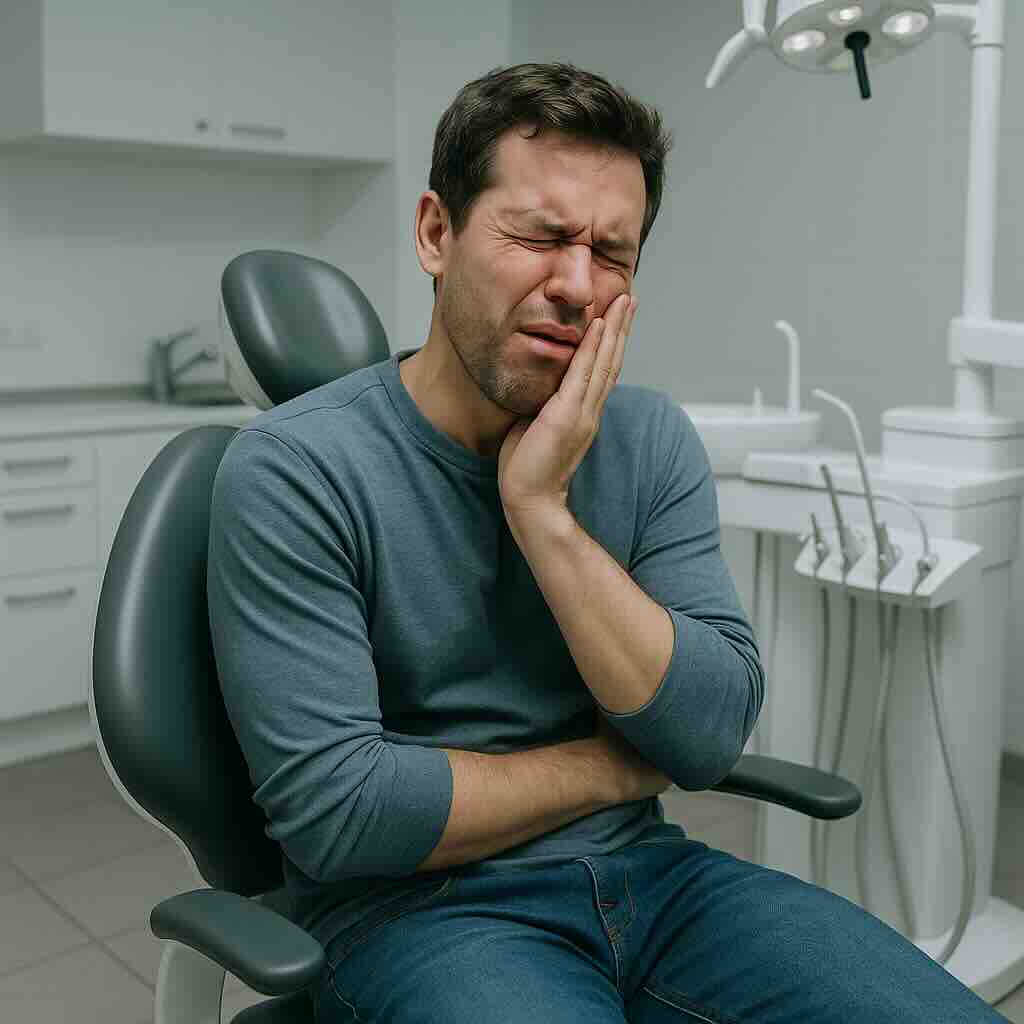
Dental pain is one of the biggest reasons patients seek emergency care, but not every toothache is an emergency. The key is intensity, duration, and what else is happening around it.
A dull ache that comes and goes after cold drinks can point to a cavity, gum recession, or early inflammation. It needs attention, but it may be safe to schedule a regular visit within a few days. A sharp, throbbing, deep pain that wakes you at night, radiates into the jaw or ear, or makes it hard to chew is different. That pattern often suggests an inflamed or infected pulp inside the tooth, a cracked tooth, or an abscess.
One practical rule I often share is this: if the pain is controlling your day instead of merely bothering you, it has likely moved into emergency territory. If you cannot concentrate at work, cannot eat on one side, cannot sleep, or need repeated doses of over the counter pain medicine just to function, the problem is no longer routine.
Pain after a dental procedure also deserves context. Some soreness after a filling, root canal, or extraction is expected. Severe pain that intensifies after the first day or two, especially if swelling or fever appears, is not expected and should be evaluated promptly.
Swelling is never something to ignore
Facial swelling is one of the clearest signs that you may need urgent dental care. A tooth infection can spread beyond the tooth itself into nearby gum tissue, bone, and facial spaces. In a best case, you feel local tenderness and see a puffy gum near one tooth. In a worse case, the cheek becomes visibly swollen, the jaw stiffens, and the pressure builds quickly.
If swelling is accompanied by fever, a foul taste, pus drainage, trouble opening the mouth, difficulty swallowing, or changes in breathing, that raises the stakes considerably. Dental infections do not always stay contained. They can spread into deeper tissues, and that can become a medical emergency, not just a dental one.
This is where judgment matters. A small localized gum bump that has drained and reduced in pain still needs quick care because the source of infection is usually still present. But rapidly increasing swelling, especially if it affects the lower jaw, floor of the mouth, or airway, should be treated immediately.
Plano families see this pattern more often than you might expect after people postpone treatment for a cracked filling or a tooth that “only hurt sometimes.” The body can compensate for a while. Then it cannot.
Knocked-out teeth and loose adult teeth
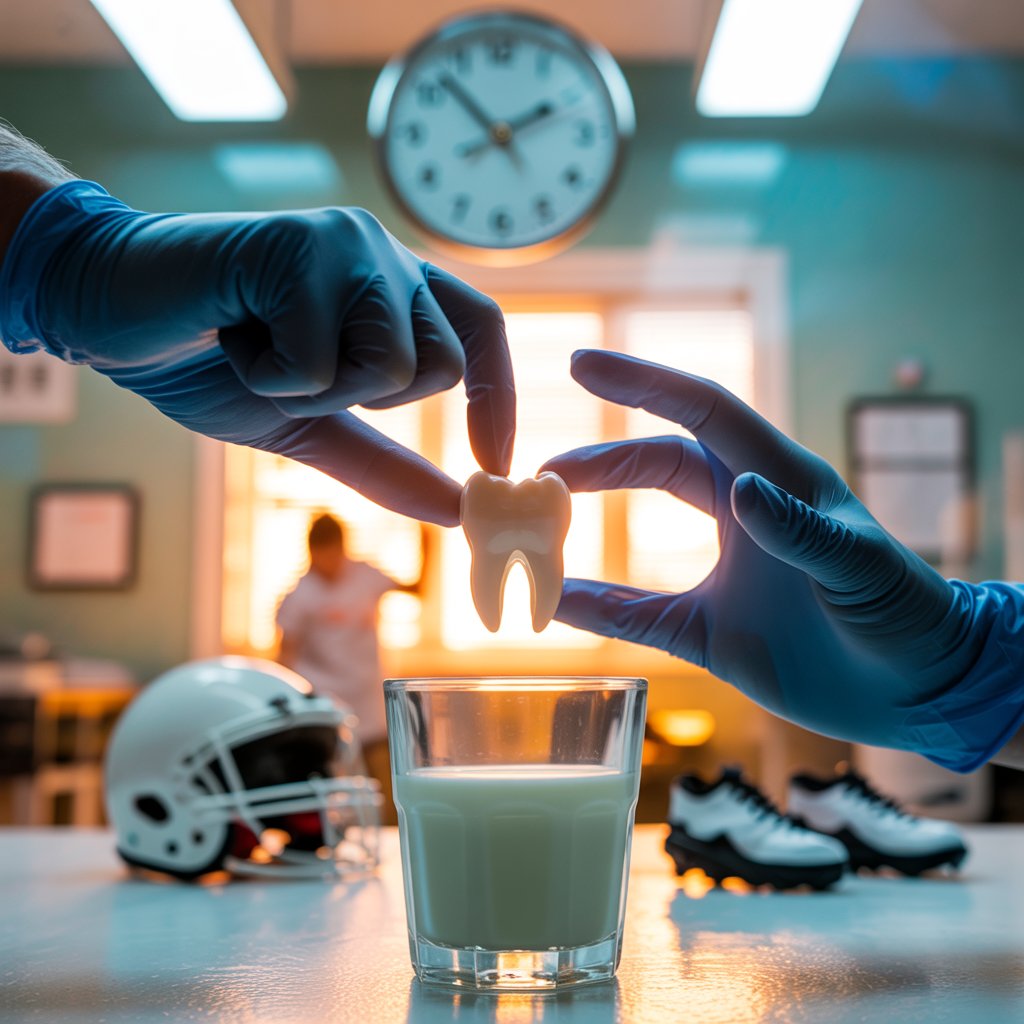
A knocked-out permanent tooth is one of the few dental emergencies where timing truly changes the outcome minute by minute. If a permanent tooth is completely out of the mouth, there is a small window where it may be possible to save it. The sooner it is reimplanted or professionally managed, the better the odds.
A baby tooth is different. Parents are often startled when a young child falls and loses a front tooth, but primary teeth are generally not reinserted because doing so can damage the developing adult tooth underneath. That does not mean you should ignore it. The child still needs an exam to check the gums, lips, adjacent teeth, and jaw.
An adult tooth that feels loose after trauma is also urgent, even if it has not fallen out. Teeth can be displaced, pushed inward, shifted sideways, or partly extruded. Sometimes there is very little bleeding, so patients assume the damage is minor. It may not be. Emergency dentist Plano, TX The supporting ligament and bone around the tooth may need stabilization quickly.
This is one situation where calling an Emergency dentist Plano, TX patients can reach the same day can make a real difference. Waiting until the next week can change a salvageable injury into a lost tooth.
Broken teeth, cracked teeth, and why they are not all equal
A broken tooth can mean anything from a tiny enamel chip to a deep fracture that reaches the nerve or extends below the gumline. The treatment and urgency depend on depth, pain level, and location.
A small chip on the edge of a front tooth with no sensitivity is often more cosmetic than emergent. It still deserves repair, but it usually does not require middle of the night intervention. A larger break with sharp edges, temperature sensitivity, visible yellow dentin, or pink tissue exposure is more urgent. If the fracture leaves the inner tooth exposed, bacteria gain easier access, and pain can escalate fast.
Cracks can be even trickier. Some of the most painful emergencies come from teeth that look nearly intact. Patients will say the tooth only hurts when they bite and release, or that they feel a sudden electric zing on one side. Those are classic crack symptoms. Left untreated, a crack can deepen until the tooth splits or the nerve becomes irreversibly inflamed.
The location matters too. A broken molar that compromises your bite can worsen each time you chew. A front tooth fracture after a fall often comes with hidden trauma to the root or surrounding bone. What looks simple in the mirror can be more complex on an x-ray.
Lost crowns, fillings, and dental work that suddenly fails
Not every failed restoration is an emergency, but some are time-sensitive enough that waiting is risky. A lost filling may simply leave a rough spot that catches food, or it may expose a sensitive cavity that becomes painful with air and temperature changes. A crown that comes off can sometimes be re-cemented if the tooth underneath is still sound and the crown is intact. It can also signal decay, fracture, or cement failure.
The urgency rises when there is significant pain, visible tooth structure loss, bleeding gums around the area, or a crown that came off a root canal treated tooth and left the tooth fragile. Back teeth without crown protection are especially vulnerable to further fracture.
One thing patients often do that backfires is trying to chew normally on the damaged side for a day or two “to see if it settles down.” That tends to turn repairable teeth into broken ones.
Gum emergencies are real emergencies
People tend to associate emergencies with teeth, but gum and soft tissue problems can be just as urgent. A painful swollen gum around a partially erupted wisdom tooth, for example, can become difficult fast. Food and bacteria collect under the gum flap, the tissue becomes inflamed, and opening the mouth can become uncomfortable. In some cases, the infection spreads.
A deep cut to the lip, cheek, or tongue that will not stop bleeding after applied pressure also needs prompt attention. Oral tissues have a rich blood supply. Minor cuts may look dramatic and still heal well, but persistent bleeding is different.
There is also the less obvious emergency of a foreign object trapped under the gums. Popcorn hulls, bone fragments, and even small toothbrush bristles can create surprisingly sharp pain and inflammation. Patients occasionally assume they have a tooth infection when the problem is actually localized gum trauma. Even so, if you cannot remove the object gently and symptoms persist, it should be evaluated.
Jaw injuries and bite changes after trauma
After a car accident, sports injury, fall, or even a hard impact from an elbow during recreation, dental trauma may involve more than the teeth. If the jaw feels unstable, you cannot bring the teeth together normally, or there is pain near the joint with limited opening, a fracture or dislocation has to be considered.
A sudden change in your bite is one of the more important clues. Patients describe it in plain language: “My teeth do not fit together the way they did this morning.” That may come from tooth displacement, a broken cusp altering the bite, or trauma to the jaw itself.
Numbness in the lip or chin after facial trauma also deserves attention. It can reflect injury to the nerve that runs through the lower jaw. That does not automatically mean permanent damage, but it should not be brushed off.
Signs you should seek care right away
The following situations usually justify calling for urgent care the same day:
- A permanent tooth has been knocked out, loosened, or pushed out of position.
- Facial swelling is increasing, especially if it comes with fever, pus, or trouble swallowing.
- Tooth pain is severe, constant, and not controlled by basic measures.
- A tooth has broken deeply and the inside feels exposed or extremely sensitive.
- Bleeding in the mouth continues after direct pressure or follows significant trauma.
That list is short by design. Real life brings edge cases, and if you are unsure, the safer move is to call and describe exactly what happened, when it started, and whether symptoms are worsening.
What you can do before you get to the office
Good first aid will not replace treatment, but it can reduce pain and protect the tooth or surrounding tissue until you are seen.
- If a permanent tooth is knocked out, hold it by the crown, not the root. If it is dirty, rinse it gently with milk or saline, or briefly with water, and seek care immediately.
- If there is swelling, use a cold compress on the outside of the face for short intervals. Do not place aspirin directly on the gums.
- If a tooth is broken, save any fragments if possible and rinse your mouth with warm water.
- If bleeding is active, apply clean gauze with steady pressure.
- If pain is severe, avoid chewing on that side and stick to soft foods until you are treated.
A common mistake is using home remedies too aggressively. Clove oil, temporary cement, and saltwater rinses can have a place, but none of them can reverse infection, reattach a tooth, or diagnose a fracture. Another common mistake is applying heat to swelling. Heat often makes dental swelling feel worse.
What is urgent, but not necessarily an emergency?
There is a middle category that causes a lot of confusion. These are problems that should be seen soon, often within a day or two, but are not always emergencies unless symptoms escalate.
A minor chip with no pain falls into that group. So does food packing between two teeth after a filling change, mild gum tenderness from floss trauma, or a lost retainer attachment if there is no pain. A crown that came off without pain may be manageable for a short period if the tooth is protected and you avoid chewing on it, but it still should not be postponed for long.
Mild sensitivity after whitening or a recent filling can also be normal, provided it is improving rather than worsening. The pattern matters. Dental issues that trend in the right direction can often wait briefly. Dental issues that intensify deserve quicker action.
Why timing matters more than many people realize
In emergency dentistry, the clock matters because teeth and surrounding tissues change quickly. A shallow cavity can turn into a nerve infection. A small crack can become a split tooth. A manageable abscess can become facial swelling over a weekend. That is not fear-based thinking, it is just how oral disease behaves when bacteria, pressure, and inflammation are involved.
There is also the cost factor. People often delay because they are worried about the expense of urgent treatment. Ironically, waiting often leads to more expensive care. A small restoration may become a Emergency dentist Plano, TX root canal and crown. A cracked tooth that might have been bonded or crowned may become an extraction and implant discussion. The longer tissue stays inflamed or infected, the fewer conservative options remain.
A few Plano-specific realities
Plano is full of active kids, weekend athletes, and busy professionals, which means dental emergencies often happen at inconvenient times. Sports injuries are common. So are broken fillings discovered while eating late dinners after practice or meetings. Seasonal allergies and sinus pressure can also muddy the picture, making people wonder whether upper tooth pain is dental or sinus-related.
Texas summers add another wrinkle. Dehydration and dry mouth can aggravate oral discomfort and make existing problems feel worse. Dry mouth reduces the mouth’s natural buffering and cleansing effect, so already irritated tissues tend to become more symptomatic.
For families looking for an Emergency dentist Plano, TX providers who offer same-day triage can be especially helpful. Even when a full procedure cannot be completed immediately, getting a diagnosis, pain control plan, and stabilization can prevent a difficult night from turning into a much bigger problem.
How dentists decide what needs immediate treatment
From the patient side, an emergency feels like pain or fear. From the clinical side, dentists assess a few practical questions very quickly. Is there active infection, and is it spreading? Is the tooth or restoration structurally stable? Is there nerve involvement? Is bleeding controlled? Has the bite been altered? Is there trauma to bone or soft tissue? Could waiting compromise the prognosis?
Sometimes the immediate treatment is not the final treatment. For example, an abscessed tooth may first need drainage and medication decisions before a root canal or extraction. A broken tooth may need smoothing, a sedative temporary filling, or a protective covering before the definitive crown. A displaced tooth may need repositioning and splinting before long-term follow-up.
That can surprise patients who expect one visit to solve everything. In emergency care, the first goal is often to stop the problem from getting worse, reduce pain, and preserve options.
The bottom line patients can actually use
If your dental problem involves severe pain, swelling, trauma, bleeding, a knocked-out or loose adult tooth, or signs of infection, treat it as an emergency. If the issue is mild, stable, and improving, it may be urgent without being emergent, but it still deserves attention before it snowballs.
When in doubt, call. A good emergency dental team would rather hear from you early than after a preventable problem has turned serious. Dental emergencies rarely improve through wishful thinking. They improve when the cause is identified, the damage is stabilized, and the right treatment happens quickly.
Vitality Dental
1220 Coit Rd # 106, Plano, TX 75075, United States
+1 972-645-4100
FAQ About Emergency dentist Plano, TX
Will the ER do anything for dental pain?
An emergency department can assess urgent symptoms and provide medical stabilization. Definitive treatment of the tooth usually requires a dentist. Seek emergency medical care for breathing or swallowing difficulty, uncontrolled bleeding, or serious facial injury.
What to do if I have a dental emergency in the middle of the night?
Contact a dentist or after-hours dental service promptly for guidance. If a permanent tooth is knocked out, keep it moist in milk while seeking immediate care. If symptoms suggest a medical emergency, go to an emergency department.
What qualifies as a dental emergency?
A knocked-out permanent tooth, severe or persistent tooth pain, a significant dental injury, or swelling may require urgent dental assessment. Call a dentist to describe the symptoms and determine timing. Uncontrolled bleeding or difficulty breathing or swallowing requires emergency medical care.