When Facial Swelling Requires an Emergency Dentist
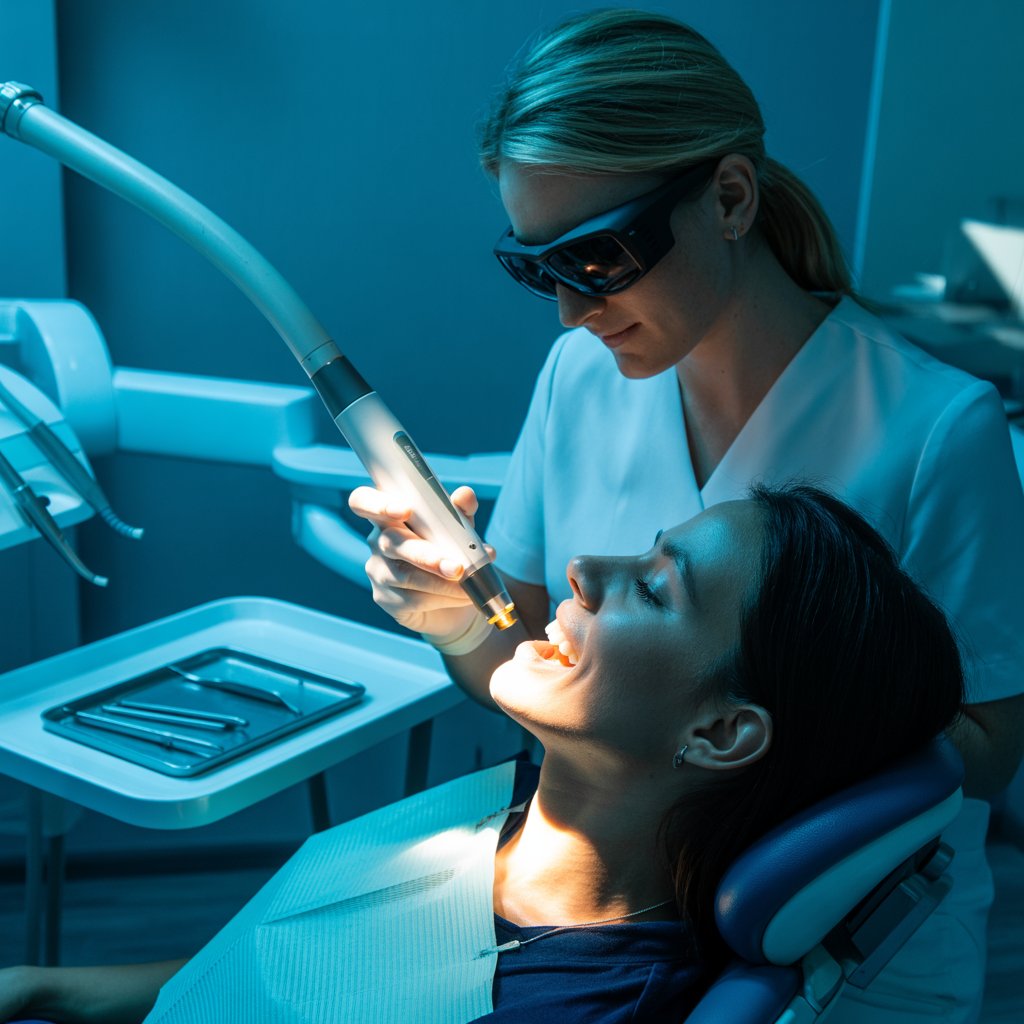
Facial swelling has a way of changing the mood in a room. A mild toothache can be ignored for a day or two by people who are busy, cautious about cost, or simply hoping the problem will settle down. Swelling is different. When the cheek puffs out, the gum balloons, or the area under the jaw starts to feel Emergency Dentist tight, the situation has moved beyond ordinary dental discomfort. At that point, the question is no longer whether something is wrong. The real question is how urgent it is, and whether an Emergency Dentist should be involved right away.
In practice, facial swelling can come from several causes, but dental infection sits high on the list. A decayed tooth, a cracked tooth, advanced gum disease, or a wisdom tooth complication can allow bacteria to move deeper into the tissues. Once that happens, the body reacts with inflammation, pressure, and pain. Sometimes the swelling stays localized near the tooth. Sometimes it spreads into the cheek, lips, jawline, or beneath the eye. In more serious cases, it tracks into spaces under the tongue or into the neck, where the stakes rise quickly.
A swollen face does not always mean catastrophe, but it should never be brushed off. Dentists who handle urgent cases see the same pattern again and again: people wait because the swelling started small, because the pain eased after the tooth “died,” or because they are taking leftover antibiotics and hoping for the best. Those delays can turn a manageable problem into one that needs more invasive treatment, stronger medication, or even hospital care.
Why swelling changes the timeline
A cavity can take months to form. A cracked filling may bother someone intermittently for weeks. Facial swelling can accelerate in hours. That is what makes it different from many other dental complaints.
The swelling itself is a visible clue that the body is fighting something more significant than simple surface irritation. Infection may be trapped inside a tooth, around the root, or in the surrounding gum and bone. Pressure builds. The body sends fluid and immune cells to the area. If drainage cannot occur, tissues expand outward. That is why people often wake up looking noticeably different from the night before.
One of the more deceptive features of dental swelling is that pain does not always match severity. A person with intense throbbing and only modest swelling may be in an earlier stage than someone with surprisingly little pain but a rapidly enlarging cheek. Once pressure changes or the nerve tissue inside a tooth dies, pain can even lessen temporarily. That does not mean the infection is gone. In some cases, it means it has spread beyond the confines of the tooth.
An Emergency Dentist looks at swelling as both a symptom and a warning sign. The goal is not just to reduce visible puffiness. It is to identify the source, determine how far the problem has extended, and stop it before breathing, swallowing, or deeper structures become involved.
Not every swollen face is a dental emergency, but some are
There are benign causes of facial swelling. A person may have irritation after a difficult extraction, a minor soft tissue injury from biting the cheek, or transient swelling after dental work. Some sinus infections and skin conditions can also mimic a tooth-related problem. The challenge is that non-dentists often cannot reliably distinguish routine inflammation from a developing dental infection.
A useful rule is this: if swelling is getting worse, is paired with tooth pain or gum tenderness, or affects normal function, it deserves prompt professional attention. “Prompt” can mean same day, not next week.
Timing matters because infections of dental origin do not always stay where they started. Upper tooth infections can spread into the cheek or under the eye. Lower tooth infections, especially from molars, can spread toward the floor of the mouth or the angle of the jaw. Those lower-space infections are among the reasons dentists take swelling so seriously. Tightness under the tongue or beneath the jaw is not something to monitor casually at home.
Signs that you should seek urgent dental care immediately
The most important part of this conversation is knowing when to stop watching and start acting. If any of the following are happening, an Emergency Dentist should be contacted without delay, and in some cases a hospital emergency department may be more appropriate.
- Swelling is increasing over hours, or it has become visibly noticeable in the cheek, jaw, lip, or area under the eye.
- You have fever, chills, a foul taste in the mouth, or pus draining from the gum.
- It hurts to open your mouth, chew, swallow, or speak normally.
- Swelling is extending under the jaw, under the tongue, or into the neck.
- Breathing feels different, your voice changes, or you cannot swallow saliva comfortably.
That last point deserves emphasis. Difficulty breathing, drooling because swallowing is hard, or a feeling that the throat is tightening are red-flag symptoms. At that stage, do not wait for a routine dental opening. Seek emergency medical care immediately.
What an Emergency Dentist is trying to determine
When someone arrives with facial swelling, the first concern is stability. Can they breathe comfortably? Can they swallow? Is the swelling soft and localized, or firm and spreading? Is there a fever? Does the patient look generally unwell? Those first impressions matter more than people realize.
After that, the clinician tries to answer three practical questions. First, where is the source? Second, how advanced is the infection or inflammatory process? Third, can it be safely managed in the dental setting, or is referral needed?
Finding the source is not always as obvious as patients expect. The tooth that hurts is Vitality Dental Emergency Dentist not necessarily the tooth causing the swelling. A lower molar with a deep crack may refer pain toward the ear. An upper premolar infection can create swelling in the cheek that feels like sinus pressure. Dental X-rays, percussion testing, temperature sensitivity, and inspection of the gums help narrow it down. Sometimes there is a visible abscess, a fluctuant bump on the gum that points directly to the problem. Other times the gums look deceptively calm while the deeper tissues are where the issue lies.
The second question, how advanced it is, shapes treatment. A mild localized abscess around a tooth can often be treated with drainage and definitive dental care. A more established infection with facial involvement may require incision and drainage, antibiotics when indicated, and follow-up treatment such as root canal therapy or extraction. If the swelling is diffuse, the patient is medically vulnerable, or airway-related symptoms are present, the dental office may not be the safest place to manage it fully.
That referral is not a failure. It is sound judgment. Good emergency care depends as much on knowing the limits of office treatment as it does on technical skill.
What causes the swelling in the first place
Most facial swelling related to dentistry comes from infection, but the pathway can vary. A deep cavity is the classic example. Bacteria reach the pulp, the living center of the tooth, and the pulp becomes inflamed or dies. Infection then exits through the root tip into the surrounding bone and soft tissues. What started as “just a cavity” has become an abscess.
Cracked teeth are another frequent culprit, especially in adults who clench, grind, or have large old fillings. A crack can allow bacteria into the tooth even when the outer appearance is not dramatic. These cases can be sneaky. Patients often describe sharp pain on biting for weeks, then one day the face swells and the tenderness becomes constant.
Gum disease can do the same through a different route. Instead of starting inside the tooth, bacteria collect in deep periodontal pockets around the root. A periodontal abscess may produce localized gum swelling first, then cheek or jaw swelling if it progresses. Wisdom teeth, particularly partially erupted lower third molars, are also common offenders. Food and bacteria get trapped under a gum flap, leading to an infection called pericoronitis. If it worsens, swelling can spread into the cheek or jawline and mouth opening may become limited.
Trauma plays a role as well. A tooth fractured in a fall may not swell that day, but days later the damaged pulp can become necrotic and infected. People are often surprised by the delay. They assume the incident is over, then the infection declares itself after the original soreness seemed to settle.
When antibiotics help, and when they are not enough
Many patients arrive expecting one thing: antibiotics. Sometimes they are appropriate. Sometimes they are important. But antibiotics alone do not fix most dental infections.
That point is worth stating plainly. If the source is an infected tooth with pressure trapped inside or around it, the infection usually needs a path to drain or the tooth needs definitive treatment. That could mean opening the tooth for root canal therapy, extracting it, or surgically draining a soft tissue abscess. Without source control, antibiotics may reduce symptoms temporarily but the problem often returns. Dentists see this cycle regularly, particularly when someone has already completed one or two antibiotic courses without treating the actual tooth.
Antibiotics are generally more likely to be used when there is facial swelling, fever, spreading infection, swollen lymph nodes, or difficulty opening the mouth. A small localized abscess that is thoroughly drained may not always need them, depending on the full clinical picture and the patient’s health status. People with diabetes, immune compromise, certain heart conditions, or a history of serious infection-related complications may be managed more cautiously.
The trade-off is important. Overprescribing antibiotics is not harmless. It contributes to resistance, causes stomach upset, and can trigger allergic reactions or more serious side effects. Good urgent dental care is not about handing out prescriptions quickly. It is about matching treatment to the biology of the problem.
What treatment can look like the same day
A same-day emergency dental visit for facial swelling is rarely glamorous, but it is often a turning point. Once the diagnosis is clear, treatment usually aims to relieve pressure, control infection, and set up definitive care.
If the tooth can be saved, root canal treatment may be started to remove infected tissue and create drainage through the tooth. If the tooth is not restorable, extraction may be the more predictable route. If there is a gum or soft tissue abscess, the dentist may numb the area and drain it directly. Patients often describe relief within hours once pressure is released, though full resolution of swelling usually takes longer.
Recovery is not always immediate. The face may stay visibly swollen for 24 to 72 hours even after proper treatment starts. That lag makes some people anxious, but it is typical. The key is the overall direction. Pain should begin easing, pressure should improve, and the swelling should stop expanding. Fever should settle. If symptoms worsen after treatment, the patient needs reassessment.
There is also the practical matter of mouth opening. Infections around lower molars can cause trismus, limited ability to open the jaw due to muscle irritation and inflammation. This can make treatment more difficult and is one of the reasons earlier intervention is easier on everyone.
When the right place is the hospital, not the dental chair
Most dental infections are managed in outpatient settings. Some should not be.
Hospital evaluation is more appropriate when swelling threatens the airway, when the patient cannot swallow fluids, when the infection is spreading into deep facial or neck spaces, or when there are signs of systemic illness such as high fever, confusion, dehydration, or profound weakness. Children, older adults, and medically fragile patients can deteriorate faster than healthy young adults, so the threshold for escalation may be lower.
A common mistake is assuming that if the swelling came from a tooth, only a dentist is relevant. Once breathing or swallowing is involved, emergency medicine and sometimes oral and maxillofacial surgery need to be part of the picture. Hospital treatment may include imaging, intravenous antibiotics, surgical drainage, and airway monitoring. It is a different level of care for a different level of risk.
That distinction matters because delay tends to come from false reassurance. People think, “It’s dental, so it can wait until morning.” Sometimes it can. Sometimes waiting overnight is exactly how a moderate problem becomes a dangerous one.
What you can do at home while arranging care
Home care should support proper treatment, not replace it. There are a few sensible steps that can reduce discomfort while you are getting in touch with an Emergency Dentist.
- Take over-the-counter pain medicine only as directed on the label, if you normally can use it safely.
- Rinse gently with warm salt water if it is comfortable, especially if there is gum tenderness or a draining area.
- Stay upright rather than lying flat, since that can lessen pressure and throbbing.
- Use a cold compress on the outside of the face for short periods if it feels soothing.
- Do not place aspirin on the gum, and do not apply heat to a rapidly swelling area.
Two points from that list are frequently misunderstood. Heat can feel comforting for muscle tension, but with active infection and facial swelling it may increase blood flow and worsen the feeling of expansion. Aspirin placed directly on gum tissue does not treat the tooth and can chemically irritate or burn the tissue.
It is also wise to avoid probing the swollen area, trying to pop it, or taking leftover antibiotics from a prior illness. A partially treated dental infection can quiet down just enough to create a false sense of improvement, then flare again at an inconvenient time, often over a weekend or holiday.
A few situations that confuse patients
One is swelling after an extraction. Some swelling is normal after tooth removal, especially with wisdom teeth, and often peaks around the second or third day. That said, increasing swelling accompanied by fever, worsening pain, bad taste, or trouble swallowing is not routine recovery. It needs a call.
Another is swelling without much pain. This often happens when the tooth nerve is no longer alive. Patients sometimes say, “It doesn’t hurt much, it just looks awful.” That can still be a significant abscess.
Children present their own challenges. A child with facial swelling from a dental infection may not articulate the pain clearly. Parents may notice reluctance to eat, a warm cheek, irritability, or swelling near the jawline. Because children have smaller airways and can become dehydrated more quickly, same-day evaluation is usually the right move.
There is also the cosmetic concern. People sometimes focus on the visible change and ask how fast the face will return to normal. That is understandable, particularly if work, travel, or photos are involved. The honest answer is that appearance improves on the body’s schedule. Once the source is treated, many cases start looking better within a couple of days, but larger infections can take longer. The immediate priority is safety and infection control, not quick cosmetic correction.
Preventing the emergency you never wanted
Most cases of serious dental swelling do not come out of nowhere. They often start as a problem that gave warning signs. A cavity that was sensitive to sweets, a tooth that hurt when biting, gums that bled and trapped food, a broken filling that kept catching the tongue, a wisdom tooth that periodically flared up. The emergency happens when those signs are ignored long enough for bacteria to gain ground.
Regular dental care reduces the odds, but prevention is also about respecting small changes. If chewing suddenly hurts on one side for no obvious reason, if a gum bump appears and drains intermittently, or if a tooth becomes dark after trauma, those are moments to act before the face gets involved.
For patients who know they are prone to postponing dental visits, it helps to reframe the issue. Treating a cracked tooth or a deep cavity during business hours is almost always simpler, less expensive, and less stressful than searching for an Emergency Dentist with a swollen face on a Saturday evening. That is not a moral judgment. It is just how these cases tend to unfold in real life.
The practical bottom line
Facial swelling tied to a tooth or gum problem deserves respect. Sometimes it is localized and straightforward. Sometimes it is the early stage of a more serious infection. What separates the two is not guesswork at home but a timely professional assessment.
If swelling is mild but noticeable and linked to dental pain, seek same-day or next-day urgent dental care. If it is spreading, paired with fever, limiting mouth opening, or affecting swallowing, contact an Emergency Dentist immediately. If breathing changes, the tongue or throat area feels involved, or saliva cannot be swallowed normally, skip the wait and go straight for emergency medical care.
That judgment call can feel dramatic in the moment, but experienced clinicians would much rather reassure someone who came in early than try to rescue a situation that was allowed to grow unchecked. With facial swelling, earlier is usually easier, safer, and kinder to the patient.
Vitality Dental
1220 Coit Rd # 106, Plano, TX 75075, United States
+1 972-645-4100
FAQ About Emergency Dentist
What counts as a dental emergency?
A knocked-out tooth, significant mouth injury, severe tooth pain, or painful swelling warrants prompt evaluation. Call your dentist and describe your symptoms so the office can advise you on how urgently you need care.
What should I do if I knock out a permanent tooth?
Call a dentist immediately. Handle the tooth by the crown, avoid touching the root, and keep it moist. If you cannot put it back into the socket easily, transport it in milk or a tooth-preservation solution. Bring it with you to the appointment.
Should I go to the emergency room for a dental emergency?
Seek emergency medical care right away if you have trouble breathing or swallowing, uncontrolled bleeding, or a serious facial injury. For an isolated tooth injury or toothache without those symptoms, call a dentist promptly for guidance.